




People








Known Good Dies
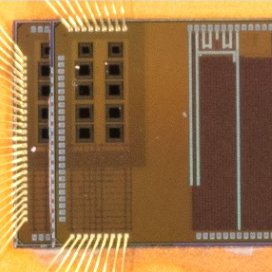
Low-cost 3D die stacking using near-field wireless communication.
This two-tier SoC, fabricated using a TSMC 65nm process, incorporates two Arm Cortex M0 CPU cores in addition to a wireless vertical AHB lite bus for inter-layer power and data transfer. The wireless AHB-Lite bus consists…
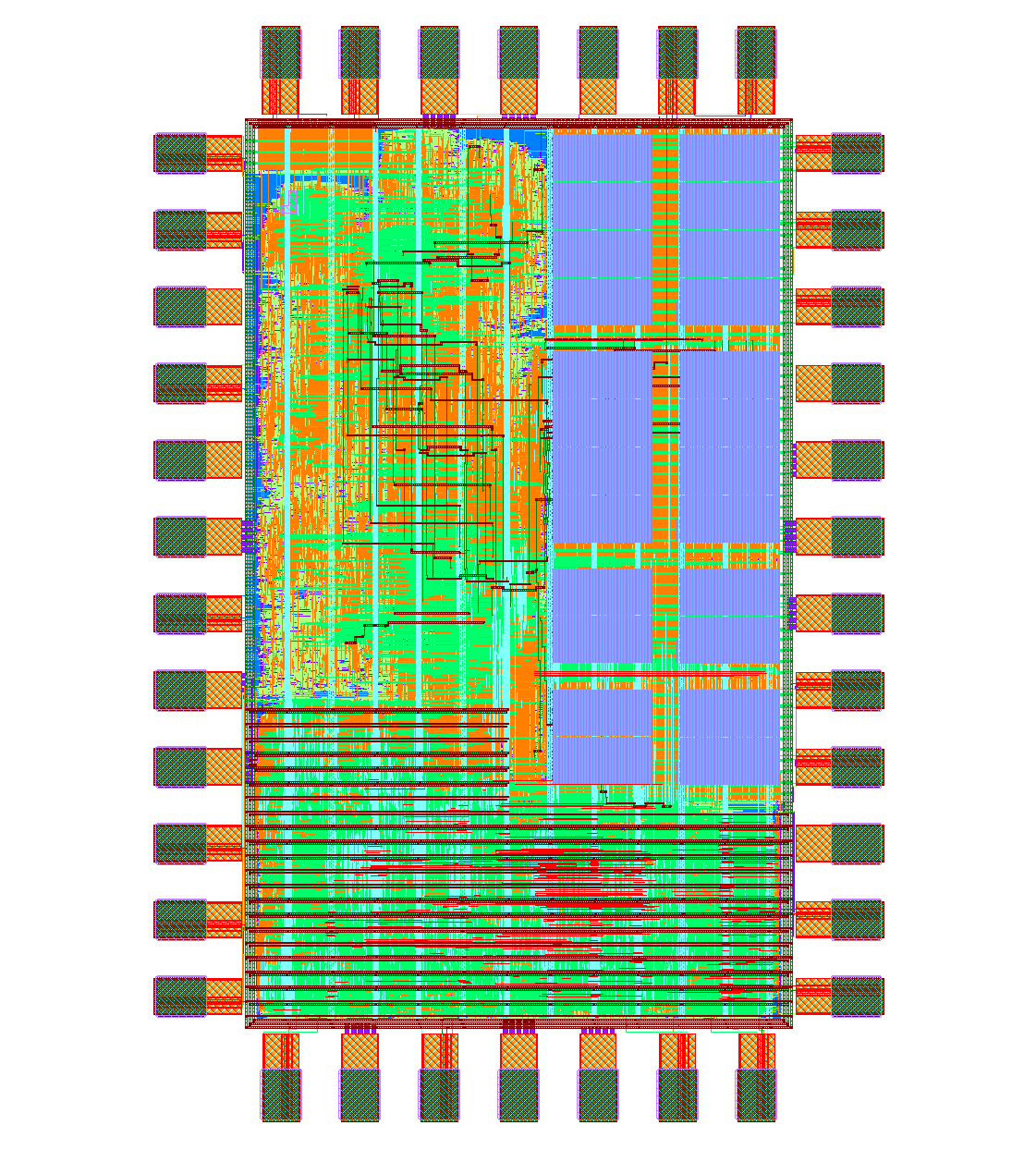
The first tape out of the nanoSoC Cortex M0 based SoC Reference Design. This reference design provides a simple microcontroller system appropriate to host and support the development and evaluation of research IP blocks or subsystems. It supports seamless transition from FPGA to physical silicon …
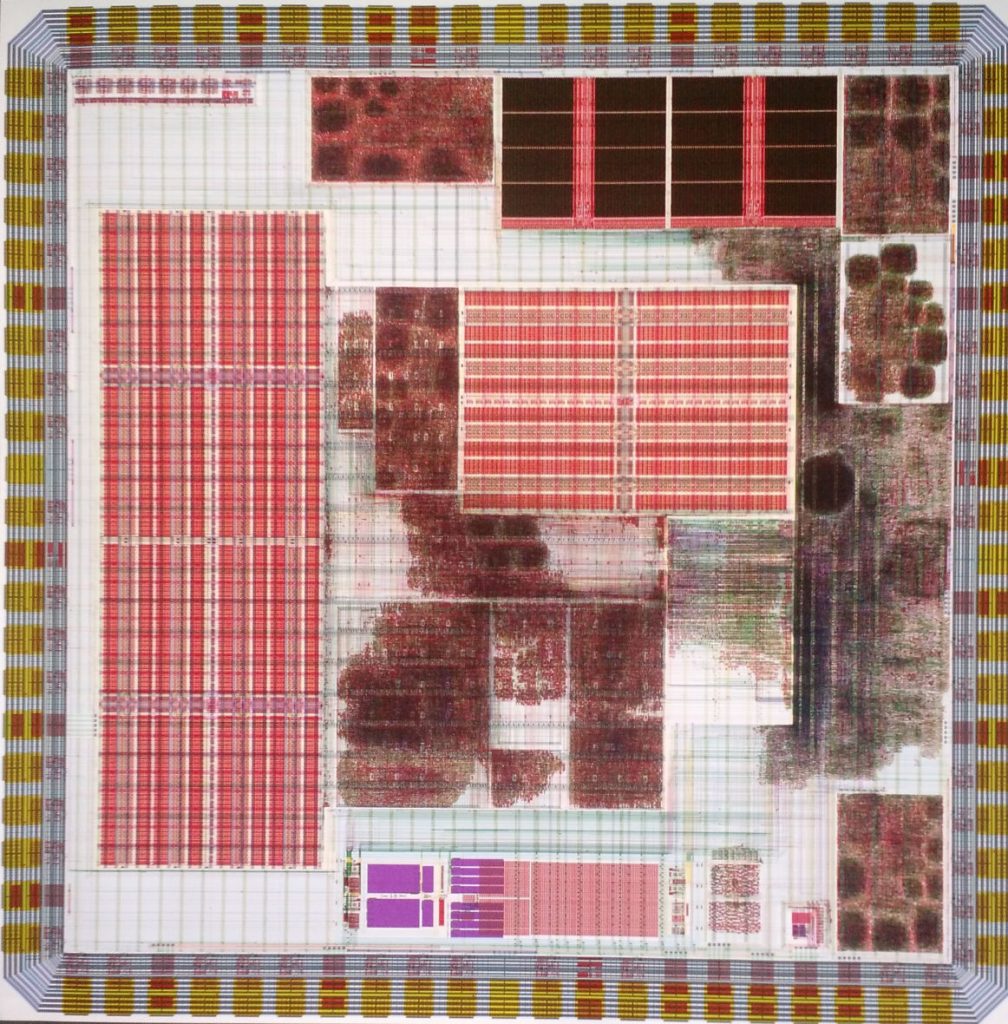
Pipistrelle-4, is the latest in a series SoCs for demonstrating multiple student projects in low-energy systems. Various circuit/system ideas from multiple researcher focusing on energy and performance with optimised SRAM bitcell and low-area overhead energy-efficient flip-flops.
P…
University of Southampton
|
Country
United Kingdom of Great Britain and Northern Ireland (the)
| |
 Members
 |
45 |
 Projects
 |
37 |
 Articles
 |
8 |
 Contributor since:
 |
Wed, 06/30/2021 - 14:50 |

| AAA Member |
Actions
Projects
This project focuses on the design and FPGA implementation of a low-power hardware accelerator for a Finite Impulse Response (FIR) filter, intended to reduce noise in speech signals before speech recognition. The accelerator uses a 32-tap, 16-bit serial multiply-accumulate architecture that reuses one signed multiplier and one accumulator to reduce hardware cost and energy consumption. The FIR algorithm is verified using a MATLAB model and RTL simulation.
 Haonan Pei
 Shiva Sangati
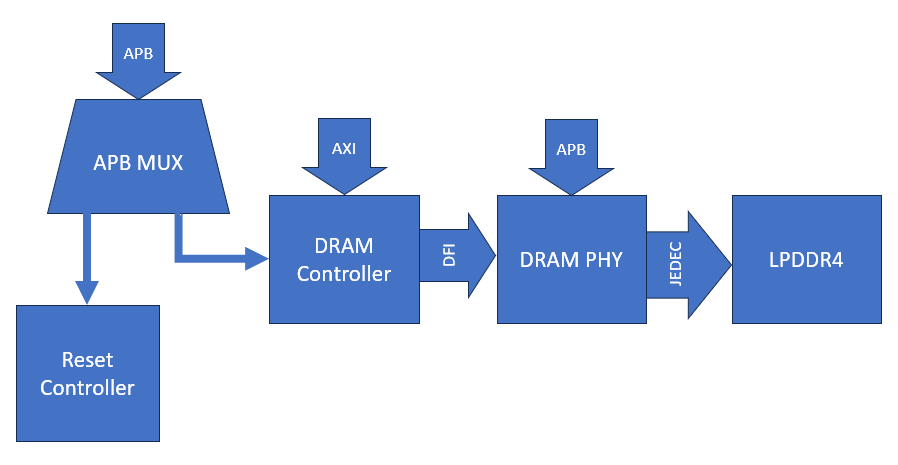
To enable full operating system support in megaSoC, a substantial amount of memory is required to accommodate the complexity of modern Linux-based software stacks, including the kernel, drivers, middleware, and user-space applications. Linux environments, unlike lightweight bare-metal systems such as nanoSoC, demand not only larger memory footprints but also consistent access to high-bandwidth memory to maintain performance across multitasking workloads. The most common approach is to incorporate external DRAM, which offers the necessary capacity and throughput.

 Daniel Newbrook